
Orthodontics
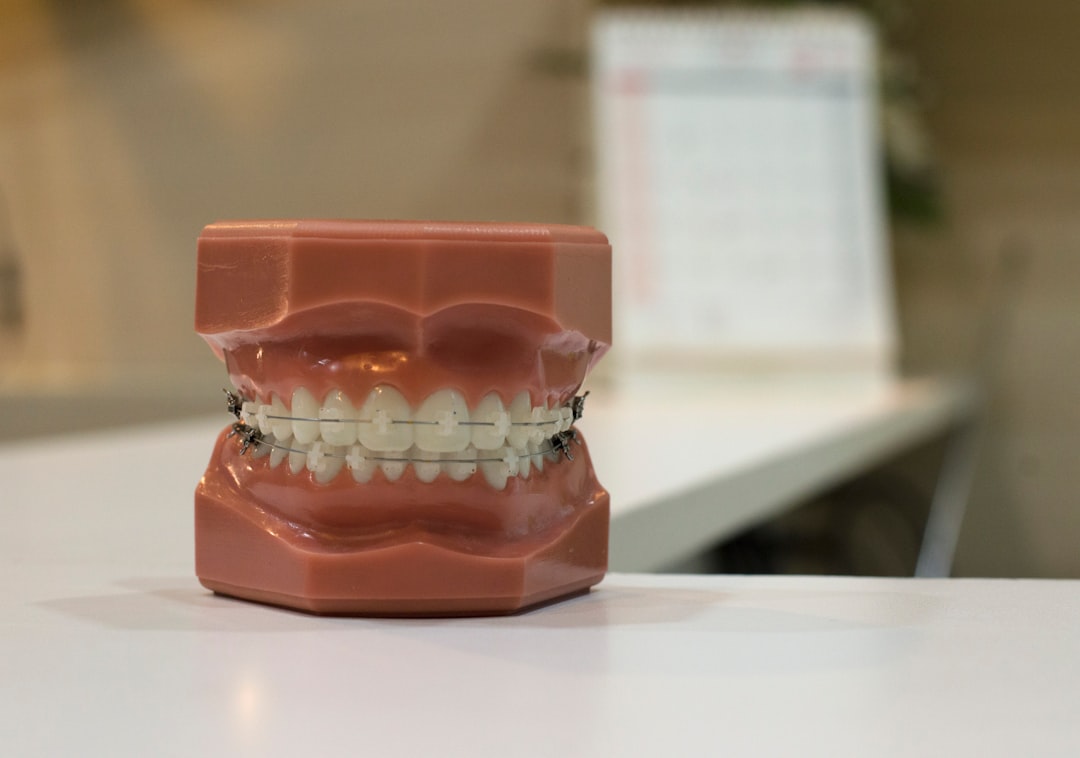
Have you ever looked in the mirror and wished for a flawless, picture-perfect smile? Well, you’re not alone! Many people struggle with dental issues affecting their self-confidence and oral health. But fear not because orthodontics is here to save the day! In this blog, we’ll delve into the world of orthodontics and explore how it can transform your smile and boost your confidence. From braces to aligners, we’ll discuss the treatment options available so you’re well-informed and prepared for your orthodontic journey. Say goodbye to crooked teeth, misalignments, and all those insecurities holding you back. We aim to guide you through the process, addressing your concerns and providing valuable insights. Prepare to embark on a smile transformation that will leave you feeling unstoppable! So, let’s dive in and discover the wonders of orthodontics together.
Short Summary
- Orthodontics is a branch of dentistry that focuses on correcting dental issues and improving smiles.
- Different orthodontic appliances, such as fixed appliances, Begg’s Appliance, and the Tip Edge System, have evolved.
- Contemporary Edgewise systems are widely used in orthodontic treatment today.
- The main treatment methods include braces, headgear, palatal expansion, jaw surgery, and clear aligners. Each method has its unique benefits and considerations.
History
Orthodontics, a branch of dentistry that focuses on correcting misaligned teeth and jaws, has a rich and intriguing history. Let’s delve into the orthodontics journey and explore the evolution of its current appliances.
Evolution of the current orthodontic appliances
Over the years, orthodontic appliances have undergone significant advancements. These developments have played a vital role in improving treatment outcomes for patients seeking orthodontic care. Here are some noteworthy milestones in the evolution of orthodontic appliances:
#### 1. Fixed appliances
Fixed appliances have revolutionized orthodontic treatments by providing continuous gentle force to shift teeth into their desired positions. These appliances consist of brackets, bands, and wires that work together to move teeth gradually over time.
#### 2. Begg’s Appliance
Developed by Dr. P.R. Begg in the 1950s, Begg’s Appliance introduced the concept of light, flexible wires that exerted controlled forces on teeth. This innovation contributed to the advancement of modern orthodontics by improving treatment efficiency and patient comfort.
#### 3. Tip Edge System
The Tip Edge System, developed by Dr. Richard Parkhouse in the 1970s, introduced a new bracket design emphasizing torque control and reduced treatment time. This system revolutionized orthodontic practices by incorporating a pre-adjusted appliance system with specific bracket prescriptions tailored for individual patients.
Contemporary Edgewise systems
In recent years, contemporary edgewise systems have emerged as a popular choice for orthodontic treatment. These systems utilize the principles of the original edgewise technique, first introduced by Dr. Angle in the 1920s. They offer greater control and versatility, enabling orthodontists to effectively treat a wide range of malocclusions.
Methods
Orthodontic treatments employ various methods to achieve optimal results. Let’s explore some of the commonly used techniques:
Braces
Braces remain one of the most common treatment methods in orthodontics. They consist of brackets, archwires, and elastics that work together to pressure the teeth, guiding them into proper alignment gently. Braces offer precise control and can address a wide range of dental issues.
Headgear
In some instances, additional external appliances like headgear may be used. Headgear provides forces that help redirect growth and correct skeletal discrepancies. It is often used in conjunction with braces to enhance treatment outcomes, particularly
Evolution of the current orthodontic appliances
Orthodontics has come a long way regarding appliance development and treatment options. Over the years, orthodontic appliances have evolved to provide more effective and efficient solutions for correcting dental misalignments. Let’s look at the evolution of the current orthodontic appliances.
Fixed appliances
One of the significant advancements in orthodontics is the introduction of fixed appliances. Fixed appliances are braces bonded to the teeth and consist of brackets, archwires, and other components. These appliances have revolutionized orthodontic treatment by offering a more precise and controlled method of tooth movement.
Begg’s Appliance
Another notable development in orthodontics is the Begg’s Appliance. Developed by Dr. P.R. Begg in the 1950s, this appliance aimed to simplify orthodontic treatment using a standardized archwire and fewer brackets. Begg’s Appliance was crucial in making orthodontic treatment more accessible and efficient.
Tip Edge System
The Tip Edge System is yet another significant milestone in orthodontic appliance evolution. This system was introduced by Dr. Ruel Bench and Dr. Henry Kesling in the 1970s and brought a revolutionary change in orthodontic mechanics. It utilized a unique bracket design and an angulated edge on the archwire, enabling efficient tooth movement with reduced treatment time.
With these advancements, orthodontic appliances have become more sophisticated and effective, allowing orthodontists to achieve better patient treatment outcomes.
💡 Key Takeaway: Orthodontic appliances have evolved significantly, from traditional fixed braces to innovative systems like the Begg’s Appliance and the Tip Edge System. These advancements have improved treatment efficiency and outcomes for patients seeking orthodontic care.
Contemporary Edgewise systems
Contemporary Edgewise Systems: Advancements in Orthodontic Treatment
Contemporary Edgewise systems have played a significant role in the evolution of orthodontic appliances, revolutionizing the orthodontics field and improving patient treatment outcomes. These systems utilize advanced techniques, specialized brackets, and wires to achieve precise tooth movement and optimal aesthetics. Let’s explore some key aspects and benefits of Contemporary Edgewise systems.
#### Precision and Control
Contemporary Edgewise systems provide orthodontists with enhanced precision and control over tooth movement. The brackets used in these systems have a designed slot, allowing for accurate placement of archwires. With advanced materials and technology, these brackets ensure optimal torque and angulation of the teeth, resulting in efficient and effective treatment.
#### Customization and Efficiency
One of the notable features of Contemporary Edgewise systems is the ability to tailor the treatment plan according to each patient’s specific needs. Orthodontists can select and customize the wire sequence, ensuring gradual and controlled movement of the teeth. This customization leads to improved efficiency in the treatment process, reducing the overall treatment time while maintaining excellent results.
#### Aesthetic Considerations
Contemporary Edgewise systems also take into account the aesthetic concerns of patients. The brackets in these systems are designed to be less noticeable and blend seamlessly with the patient’s natural tooth color. This feature allows patients to undergo orthodontic treatment with more confidence, as the braces are less conspicuous.
#### Patient Comfort
Orthodontic treatment can sometimes be associated with discomfort, especially in the initial stages. Contemporary Edgewise systems aim to enhance patient comfort during treatment. The design of the brackets and archwires allows for smoother tooth movement, minimizing friction and reducing the discomfort experienced by patients. Additionally, using low-profile brackets ensures a more comfortable fit within the oral cavity.
#### Research and Developments
The field of orthodontics is constantly evolving, and Contemporary Edgewise systems are continuously being refined and improved based on ongoing research and developments. This commitment to research ensures that orthodontists have access to the latest advancements in treatment techniques, materials, and technologies, further enhancing patient outcomes.
By embracing Contemporary Edgewise systems, orthodontists can provide patients with a comprehensive and modern approach to orthodontic treatment. These systems offer precision, customization, enhanced aesthetics, patient comfort, and the utilization of cutting-edge research and developments. As a result, patients can achieve a beautiful smile.
Methods
Orthodontics offers various methods to correct misalignments and achieve optimal dental health. These methods include braces, headgear, palatal expansion, jaw surgery, during-treatment care, post-treatment care, and clear aligners.
Braces
Braces are one of the most common methods used in orthodontics. They consist of brackets bonded to the teeth and connected by archwires. The braces gradually apply pressure to move the teeth into their desired positions. This method is highly effective and can address complex dental issues.
Headgear
Headgear is a supplemental appliance that is often used in conjunction with braces. It consists of a strap that wraps around the back of the head and a facebow that attaches to the braces. Headgear exerts additional forces on the teeth and jaw to correct specific orthodontic problems, such as overbites or underbites.
Palatal Expansion
Palatal expansion is a method used to widen the upper dental arch. It involves using devices, such as palatal expanders, to widen the palate gradually. This technique is particularly beneficial for addressing crowded teeth and crossbites. Palatal expansion creates more space in the mouth, allowing the teeth to align correctly.
Jaw Surgery
Jaw surgery, or orthognathic surgery, is used to correct severe dental and skeletal discrepancies. In cases where orthodontic treatment alone is insufficient, jaw surgery may be recommended. This procedure involves repositioning the jaws to achieve proper alignment and harmony between the upper and lower jaw.
During Treatment Care
During orthodontic treatment, it is essential to follow specific care guidelines to ensure the best results. This includes regular visits to the orthodontist for adjustments and check-ups. Good oral hygiene practices, such as brushing and flossing, are crucial for maintaining dental health throughout the treatment process.
Post-Treatment Care
Once the active phase of orthodontic treatment is complete, post-treatment care becomes essential to ensure long-lasting results. This may involve the use of retainers to maintain tooth alignment. Regular follow-up appointments with the orthodontist are advised to monitor the stability of the treatment outcome.
Clear Aligners
Clear aligners, such as Invisalign, have gained popularity in recent years as an alternative to traditional braces. These aligners are a series of custom-made, removable trays that gradually shift the teeth into alignment. Clear aligners offer th
Training
# Training in Orthodontics
Orthodontics is a specialized field that requires a significant amount of training to ensure the highest level of expertise. Orthodontists undergo rigorous education and practical experience to learn the complex techniques and skills necessary for orthodontic treatment.
Educational Background
To become an orthodontist, individuals must first complete a Bachelor’s degree in a science-related field, such as biology or chemistry. This provides a solid foundation in the basic sciences and prepares students for the next step in their educational journey.
After completing their undergraduate degree, aspiring orthodontists must attend dental school. Dental school typically takes four years, during which students receive comprehensive training in general dentistry. This includes learning about oral health, dental procedures, and patient care.
Specialization in Orthodontics
Once individuals have graduated from dental school, they must complete an additional three years of specialized training in orthodontics. This advanced training takes place in accredited orthodontic residency programs. These programs provide in-depth education and hands-on experience to help students become proficient in orthodontic diagnosis, treatment planning, and the use of orthodontic appliances.
During their orthodontic residency, students learn about the different types of orthodontic appliances and treatment methods available. They receive extensive training on how to correctly diagnose malocclusions and create treatment plans tailored to each patient’s unique needs.
Clinical Experience
Orthodontic training also includes a significant amount of clinical experience. Under the guidance of experienced orthodontists, students treat patients with a wide range of orthodontic issues. This hands-on experience allows them to apply the knowledge and skills they have acquired in a practical setting.
During their clinical training, orthodontic residents gain proficiency in various orthodontic methods, such as braces, headgear, palatal expansion, and jaw surgery. They learn how to properly install and adjust orthodontic appliances to ensure optimal treatment outcomes.
Continuing Education and Professional Development
Training in orthodontics doesn’t end after completing an orthodontic residency program. Orthodontists are committed to continuous learning and professional development throughout their careers. They attend conferences, seminars, and workshops to stay updated on the latest advancements in orthodontic techniques, materials, and technologies.
Additionally, orthodontists often pursue board certification to further demonstrate their expertise. Board certification involves passing rigorous examinations that assess an orthodontist’s knowledge and clinical skills.
##
💡 key Takeaway: Orthodontic training involves a comprehensive educational background, specialized orth
See also
When it comes to orthodontics, there are several related topics and areas of interest that are worth exploring. Here are some areas to delve into for a more comprehensive understanding of orthodontics:
1. Orthodontic Appliances (Keywords: orthodontic appliances, fixed appliances, Begg’s Appliance, Tip Edge System)
– Fixed Appliances: These are the most common type of orthodontic appliances used today. They include bands, brackets, and wires that are bonded or cemented to the teeth. (Keywords: fixed appliances)
– Begg’s Appliance: Developed by Dr. Charles H. Begg, this appliance consists of a wire arch that guides the teeth into proper alignment. It was one of the earliest forms of fixed appliances. (Keywords: Begg’s Appliance)
– Tip Edge System: This system utilizes a unique bracket design that reduces friction and allows for more efficient tooth movement. It is known for its widespread adoption by orthodontists. (Keywords: Tip Edge System)
2. Contemporary Edgewise Systems (Keywords: contemporary edgewise systems)
– Edgewise systems are an advancement in orthodontic treatment, allowing for more precise control over tooth movement. They utilize brackets with slots to hold the archwire in place, providing improved results. (Keywords: edgewise systems)
3. Orthodontic Treatment Methods (Keywords: braces, headgear, palatal expansion, jaw surgery, during treatment, post treatment, clear aligners)
– Braces: Traditional metal or ceramic braces are the most common orthodontic treatment method. They involve attaching brackets to the teeth and connecting them with wires to gradually align and straighten the teeth. (Keywords: braces)
– Headgear: In some cases, orthodontic treatment may involve the use of headgear, which applies external forces to regulate jaw growth and tooth alignment. (Keywords: headgear)
– Palatal Expansion: This method involves widening the palate to create more space for properly aligned teeth. It can be achieved through the use of expanders or other orthodontic appliances. (Keywords: palatal expansion)
– Jaw Surgery: In certain complex cases, orthodontic treatment may be combined with jaw surgery to correct significant jaw discrepancies. This comprehensive approach ensures both functional and aesthetic improvements. (Keywords: jaw surgery)
– During Treatment: Throughout the course of orthodontic treatment, regular adjustments and monitoring are necessary to ensur
FAQ
What is training?
Training is the process of educating dental professionals in the latest techniques and methods. This may include both formal training programs and on-the-job training.
What is orthodontics?
Orthodontics is the specialized practice of restoring the correct alignment of teeth by means of braces and/or other treatments.
What is an Edgewise system?
An Edgewise system is a type of orthodontic treatment that uses an X-ray machine to create a 3-dimensional image of your teeth and jaw. This image is then used to create a plan of treatment that will correct any problems that were identified.
What are some other orthodontic terms?
– Invisalign: A treatment that uses clear, custom-fitted aligners to move teeth into their desired positions. – Fixed braces: A type of orthodontic treatment in which brackets, wires, and other devices are fixed to the teeth to hold them in place. – Attached braces: A type of orthodontic treatment in which the brackets are attached to the teeth directly.